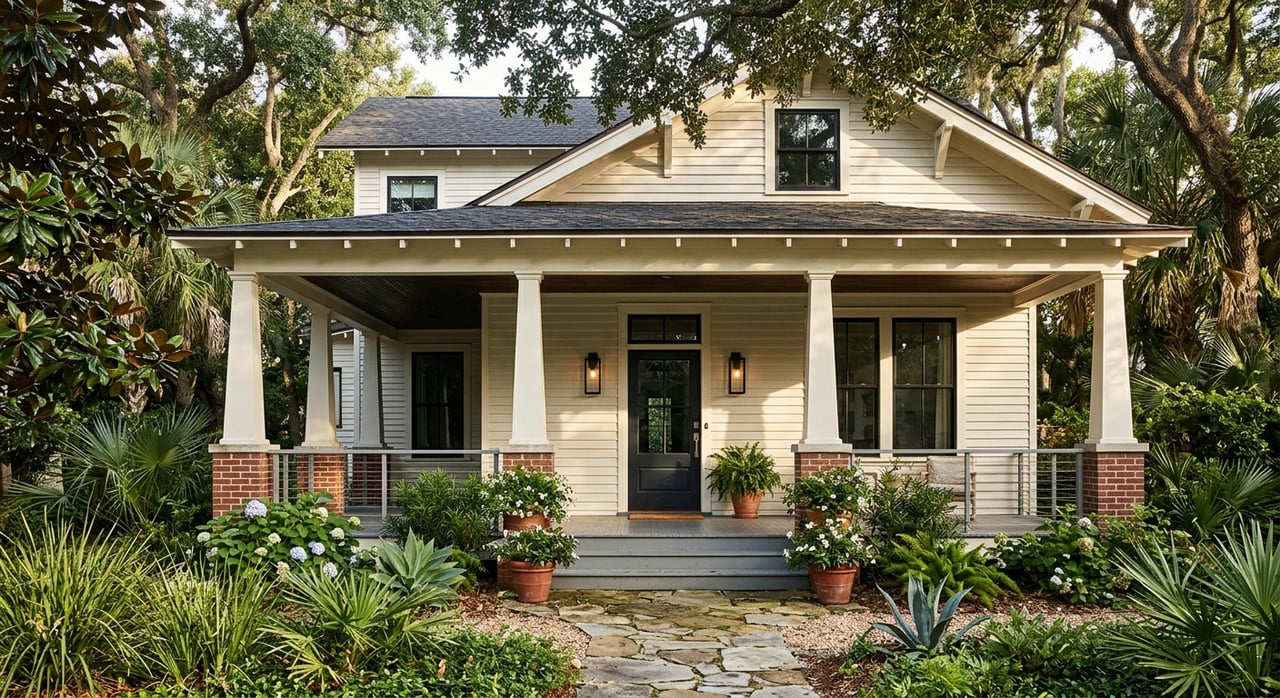
Renovating a Heights Bungalow Without Losing Its Charm
If you love Houston Heights, you already know the appeal is hard to fake. Wide front porches, tall windows, classic rooflines, and original detailing give many homes a warmth that newer construction often tries to copy. If you are thinking about buying, updating, or selling in the Heights, the challenge is knowing how to improve comfort and function without losing the features that make these homes special. Let’s dive in.
Houston Heights was founded in 1891, became its own city in 1896, and was annexed by Houston in 1918. Today, the City of Houston identifies three designated historic districts in the neighborhood: West, East, and South Heights. At the same time, some parts of the broader Heights are outside those districts, especially along more heavily altered corridors.
That matters because not every Heights home is governed the same way. Depending on the property, you may need to consider city historic-district standards, recorded deed restrictions, and sometimes civic-association review. In the Heights, property-specific due diligence is essential before you plan exterior changes.
The City of Houston describes many Heights historic-district homes as one- or two-story houses with large windows, transoms, decorated gables, textured shingles or siding, bay windows, turned or tapered porch supports, and pier-and-beam foundations. These details are not just decorative. They shape the proportions and street presence that define the neighborhood.
In practice, the most successful updates usually respect that visible historic envelope. You can modernize how a home lives day to day while keeping the exterior character that makes it feel like it belongs in the Heights.
In the city’s compatibility guidance, one- or two-story forms are generally compatible in the Heights historic districts. A finished attic with dormers can fit, but three-story forms generally do not.
For you as a homeowner or buyer, that means scale matters as much as style. Even a well-finished renovation can feel out of place if the height or bulk overwhelms the original structure.
A substantial front porch is part of the historic vocabulary of the Heights. Roof shapes such as gable, hip, or hybrid forms with dormers and exposed rafter tails also fit the district better than flat or overly complex rooflines.
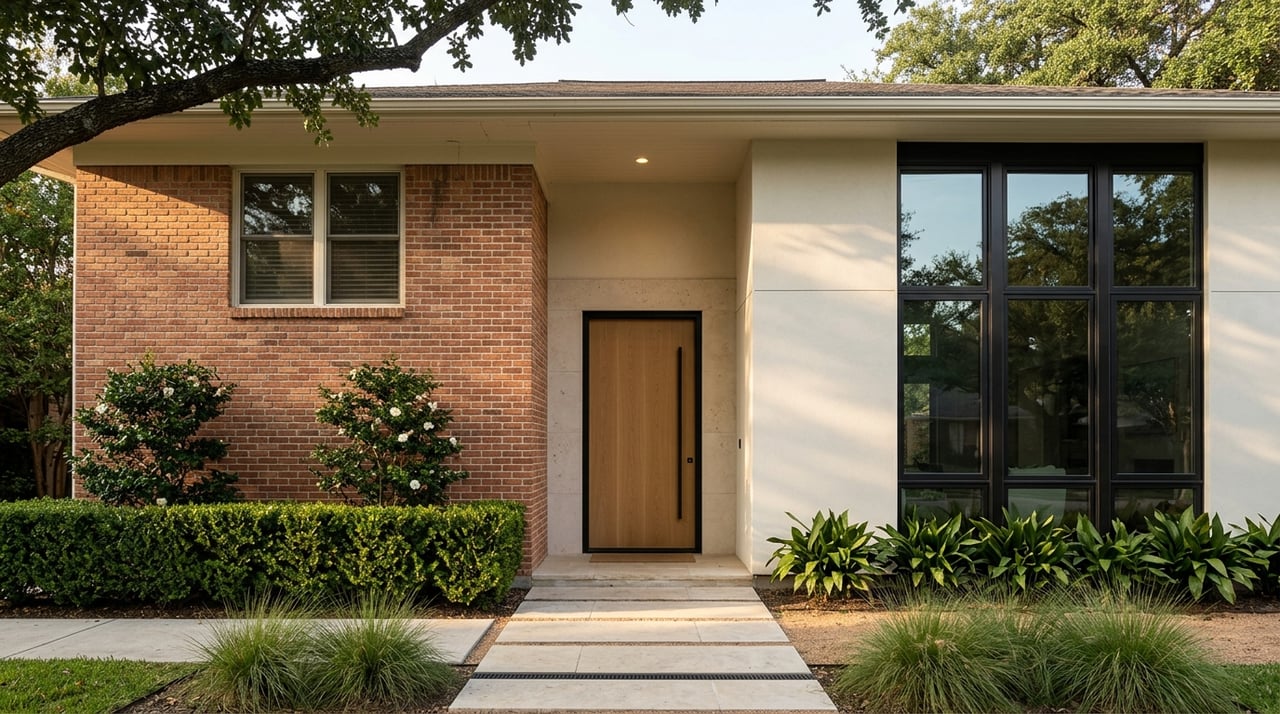
Windows and wall materials matter just as much. The city notes that horizontal wood siding or shingles and vertically proportioned wood or wood-clad windows are more typical, while large plate glass, flat modular panels, vertical siding, and horizontally proportioned windows are less compatible.
The placement of the house, driveway, and garage plays a big role in the historic streetscape. Typical front setbacks are about 15 to 25 feet, and side driveways with rear garages or carports are considered compatible.
By contrast, front parking pads and attached garages are less compatible with the established pattern. If you are evaluating a renovation plan, these layout decisions can affect both approvals and resale appeal.
Older Heights homes often benefit most from updates you do not notice at first glance. In many cases, the smartest path is to improve the building envelope and major systems first, then focus on comfort, and then refresh kitchens, baths, and finishes.
That approach helps you protect character while solving the issues that affect daily living. It also helps you avoid spending heavily on cosmetic changes before addressing core performance needs.
HVAC, electrical, and plumbing upgrades are often high-value improvements in older homes. These systems can improve comfort, efficiency, and safety while remaining mostly invisible from the street.
Roof, siding, and porch repair also deserve early attention because they directly affect both preservation and performance. In the Heights, these elements have an outsized impact because they shape the home’s silhouette and first impression.
Original windows are often a major part of a historic home’s character. Guidance in the research report notes that historic windows can often be repaired and upgraded rather than replaced, with weatherstripping or storm-window solutions used to improve comfort.
For many owners, this is where the balance becomes very practical. You may be able to gain better performance without erasing the proportions and details that give the façade its personality.
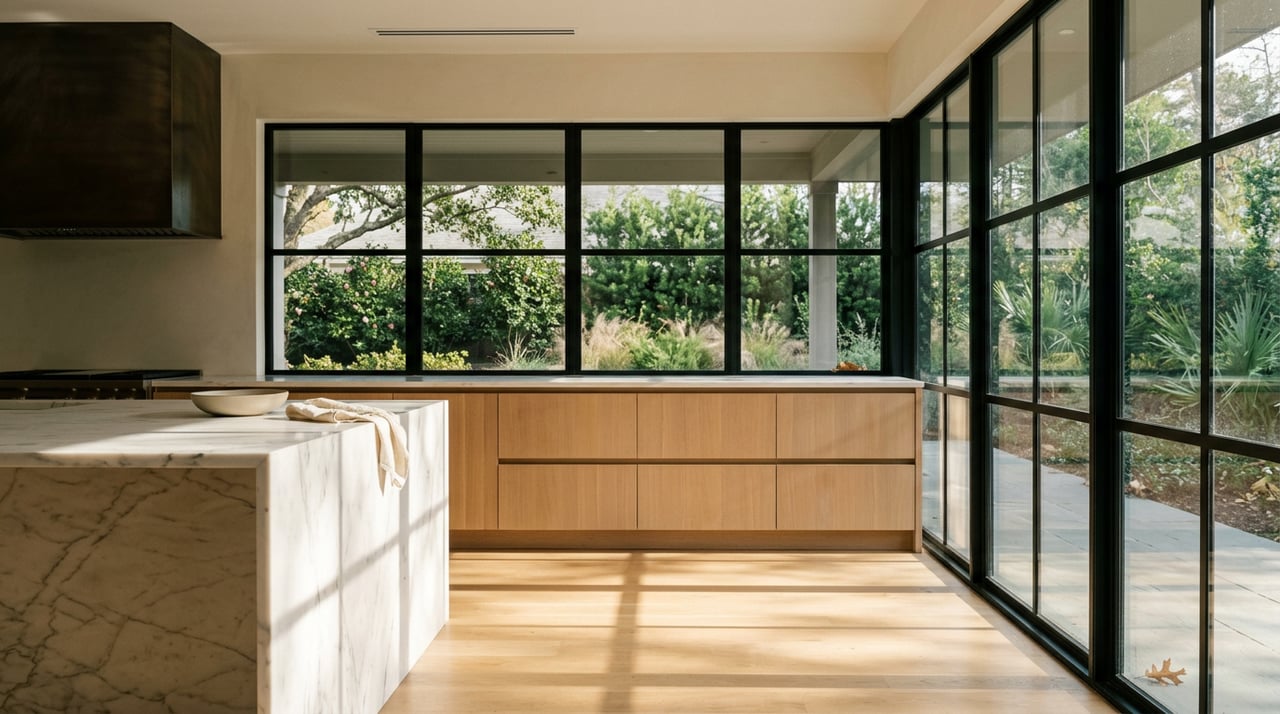
Kitchens and baths are usually the easiest places to bring in more contemporary function and finishes. Since city preservation guidance focuses heavily on exterior character, these rooms often offer more flexibility to create a modern daily living experience.
If you want a home that feels updated but still reads as authentically Heights from the street, this is usually the best place to do it. Clean layouts, better storage, and improved fixtures can coexist with a more traditional exterior.
Sometimes charm is not the issue. Space is. If you need more room, the city’s guidance supports additions that are subordinate to the original structure and carefully sited so they do not overwhelm the house.
That usually means the original home should remain the star of the property. Additions should support modern living while preserving the essential form and integrity of the building.
One common mistake is trying to blend every design influence into one project. The city’s guidance says combining defining elements from different architectural styles into a single design is not allowed.
For you, that is a useful filter. A better result often comes from choosing updates that feel quiet and consistent rather than dramatic and disconnected from the home’s original architecture.
In Houston Heights, planning the design is only part of the job. You also need to understand which rules apply to your specific property before work begins.
Because Houston has no zoning, neighborhood character is often shaped by a combination of deed restrictions and city review where applicable. And in some cases, civic-association approval may also be part of the process.
If your home is inside one of the three City of Houston Heights historic districts, exterior work may be exempt, reviewed administratively, or reviewed by the Houston Archaeological and Historical Commission. The city also notes that Certificate of Appropriateness applications are due 22 calendar days before the meeting date by noon.
Deed restrictions are a separate issue. They are public-record covenants, and they can vary by subdivision, section, or even lot, which is why property-level verification matters.
Even if your project does not require a Certificate of Appropriateness, it may still require a building permit. Houston states that most residential projects within city limits need a permit, including remodeling other than painting or wallpapering and building repair work.
This is where early planning can save time. It is smart to confirm review paths, permits, and applicable restrictions before you finalize scope, pricing, or contractor scheduling.
Houston does not require a general contractor license to obtain building permits. However, electrical, plumbing, and mechanical contractors must register their licenses with the city.
The city also has a voluntary roofing-contractor registration program with insurance requirements. If you are hiring for a Heights renovation, checking trade registration and project experience is a practical step.
Heights/Greater Heights was described by HAR in its July 2026 update as a balanced market, with 4.9 months of inventory, an average of 35.5 days on market, and a median sold price of $859,946. In a market like that, presentation and buyer confidence can make a real difference.
For many buyers, the sweet spot is a home that keeps its historic curb appeal while solving the comfort and maintenance concerns that often come with older construction. Homes that over-modernize the façade or ignore the original style may appeal to a narrower audience.
If you plan to sell, some updates tend to support marketability more clearly than others. The strongest signals are usually the ones that show both respect for the home and attention to practical ownership.
These often include:
For buyers, these same points can help you judge whether a renovation was thoughtful or simply cosmetic. In a neighborhood as design-sensitive as the Heights, that difference matters.
Whether you are preparing to buy a charming bungalow, planning updates to a historic property, or getting ready to sell, the goal is usually the same. You want a home that works for modern life without losing the details that make it feel rooted in Houston Heights.
That balance takes planning, due diligence, and a clear understanding of what buyers value in this market. If you want guidance on how renovations, historic character, and resale positioning intersect in the Heights, Mariana Saldaña can help you think through your next move with clarity.
Uptown Real Estate Group wants to give you the best experience choosing your new home. We are real estate agents ready to support your questions and give you the lowest prices according to your needs, feel free to ask whatever you want. It's a pleasure to serve you!