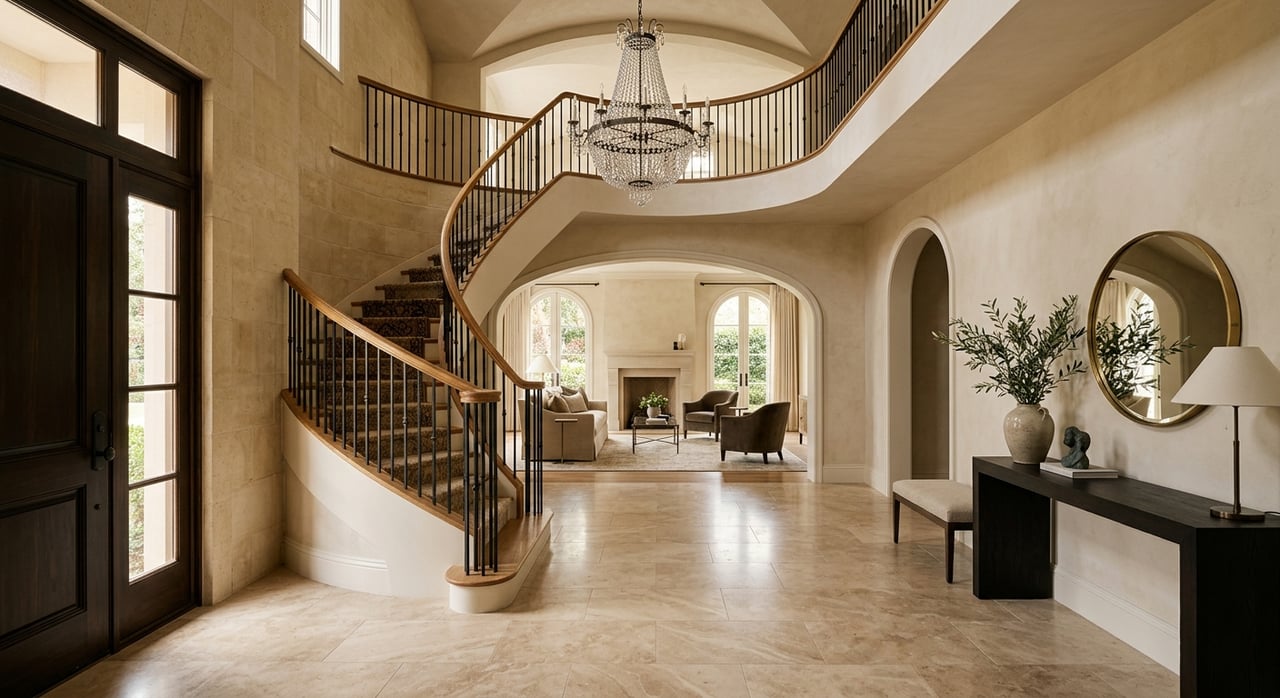
How to Evaluate Royal Oaks Country Club Homes
Buying in a gated golf course community can look straightforward at first glance, but the real decision is in the details. If you are considering a home purchase in Royal Oaks Country Club, you need more than a quick tour and a price check. You need to understand how the neighborhood is built, how the HOA operates, what club membership does and does not include, and which costs can affect your long-term value. This guide will help you evaluate the opportunity with more clarity and confidence. Let’s dive in.
Royal Oaks Country Club is a private, gated Houston community in the 77082 area with about 490 acres and roughly 850 single-family detached homes, according to Sunrise Company’s community overview. The same source notes that the community includes a Fred Couples 18-hole golf course, a 48,000-square-foot clubhouse, an 11,600-square-foot sports club, tennis courts, and multiple pools.
Public market data also shows a neighborhood with established housing stock and an active luxury resale market. HAR neighborhood data reports a median build year of 2003, median lot size of 9,796 square feet, median sold price per square foot of $261.35, and a value range of about $635,000 to $1.79 million.
For you as a buyer, that points to a mature early-2000s luxury community where pricing can vary meaningfully by lot, home style, updates, and location within the neighborhood. It also means due diligence matters, because homes from this era often have similar age-related maintenance checkpoints.
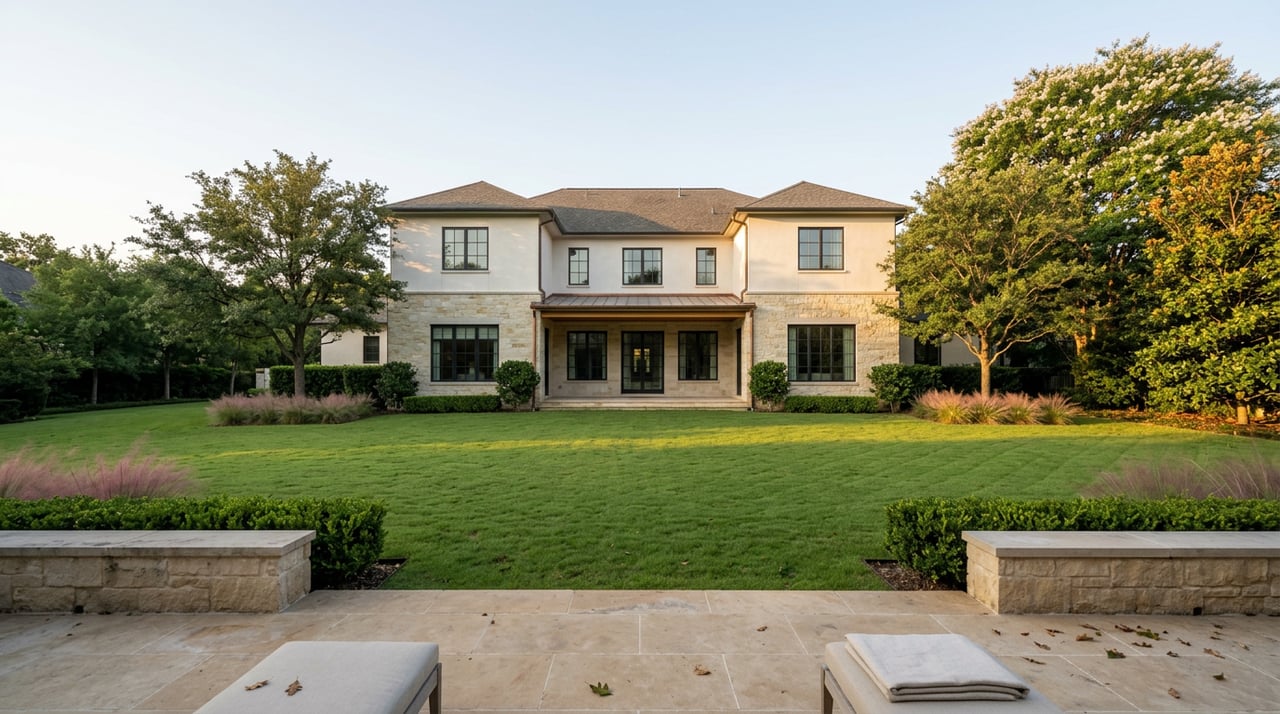
Royal Oaks does not offer just one look or one floor plan. Research samples show a mix of traditional, contemporary, Mediterranean, English, and French-inspired homes, many built between 1999 and 2006.
Exterior materials often include stucco, brick, stone, and some wood siding, with composition or tile roofs. Many homes are slab-on-grade construction, which is common in Houston but still worth evaluating carefully during inspection.
Lot conditions can vary quite a bit too. Some homes sit on interior lots or cul-de-sacs, while others back to the golf course, lakes, or wider open views. That variation can influence privacy, upkeep, traffic flow, and future resale appeal.
Not every premium lot delivers the same ownership experience. A golf-course lot may offer open views, but it can also come with exposure to golf activity, landscaping expectations, and sightline considerations.
Interior lots may offer a different tradeoff, with less exposure and potentially a more private setting depending on orientation. Cul-de-sac lots can feel more tucked away, while larger estate lots may offer more outdoor flexibility, subject to HOA approval.
When you compare homes, focus on practical questions like these:
Because many Royal Oaks homes date to the early 2000s, your inspection strategy should go beyond cosmetic condition. The most important issues are often the ones that affect long-term cost.
Based on the neighborhood’s age, common construction styles, and HOA standards, buyers should pay close attention to foundation or slab performance, roof condition, stucco or masonry movement, drainage, pool or spa systems, and signs of exterior work that may not have been properly approved.
A smart due diligence checklist may include:
The HOA’s published standards are detailed, which makes this part especially important. If prior work was done without approval, you may inherit a compliance issue after closing.
One of the biggest mistakes buyers make in communities like Royal Oaks is waiting too long to read the governing documents. Here, the HOA has a very active role in exterior standards and daily operations.
The association’s governing documents page includes bylaws, deed restrictions, architectural rules, landscaping guidance, traffic rules, security information, and entry policies. The community standards also require prior approval for many visible exterior changes, including items related to fences, patios, pools, lighting, drainage, and landscaping.
According to the community standards document, lots are expected to drain to the street rather than the golf course, and certain visible features are restricted. That means if you are planning improvements after closing, you should verify what is allowed before you budget or design anything.
This is a key point for many buyers. Homeownership in Royal Oaks is not the same as country club membership.
The club states that membership is separate from homeownership and is available to both residents and non-residents. Current categories listed on the Royal Oaks Country Club membership page include Equity Golf, Equity Executive, Young Professional Golf, Equity Sports, and Equity Social, along with several specialty options.
That distinction matters when you evaluate value. A home inside the gates may offer access to the community setting and HOA structure, but club access, privileges, fees, and timelines should be confirmed directly through the club.
There is also an important near-term consideration. The club notes that a year-long course renovation is scheduled to begin in November 2025, with reciprocal access for certain members during the renovation period. If golf access is central to your buying decision, make sure you understand how that timeline fits your plans.
Royal Oaks operates with structured access and onboarding procedures. The community states that the main gate at 11839 Meadowglen Lane is staffed 24/7, the Westpark South entrance has limited staffed hours, the speed limit is 20 mph, and visitors are expected to show ID, according to the community information page.
New homeowners also have post-closing requirements. The resident access page says orientation is mandatory, and new residents must submit ownership or lease documentation, contact forms, and vehicle information within 30 days to avoid temporary deactivation of access devices.
That may sound administrative, but it is actually useful to know before closing. It helps you plan your move and avoid access issues right after you take ownership.
In a luxury community, the purchase price is only part of the financial picture. You should also evaluate property taxes, HOA dues, possible transfer charges, utility responsibilities, and optional club costs.
HAR tax data shows a total tax rate of about 2.3768% before exemptions. On a taxable value of $1,000,000, that works out to roughly $23,768 per year before any exemptions are applied.
The HOA and MUD are also separate. The HOA handbook indicates that Harris County MUD 372 is responsible for water, sanitary sewer, and storm drainage, so buyers should confirm both MUD tax exposure and utility implications during due diligence.
Transfer-related charges can also apply. The Texas HOA management certificate lists fees including a $375 resale certificate, $95 new account setup, and additional charges for updates or expedited processing.
Fee information can vary by property type, and public listing feeds are not always consistent. That is why the resale certificate matters so much.
The HOA’s public resources indicate that current budget materials, audited financials, and reserve information are available through the association, but the exact current annual assessment amount is best confirmed through the resale package. That is also where you can verify whether there are any special assessments, pending issues, or property-specific compliance matters.
Before you remove contingencies, confirm:
Even if this is your long-term home, it helps to buy with resale in mind. That does not mean trying to predict every future market shift. It means choosing a property with broad appeal and manageable downside.
HAR data shows median sold price per square foot rising from $143.11 in 2001 to $261.35 in 2025, which suggests meaningful long-term appreciation in the area. At the same time, resale can still be influenced by lot orientation, level of updates, club renovation timing, and how well a home fits the community’s design expectations.
As you compare options, ask yourself:
A home purchase in Royal Oaks Country Club deserves a careful, structured review. The neighborhood offers a strong lifestyle proposition, established luxury housing, and a gated setting with notable amenities, but it also asks buyers to understand governance, property condition, membership structure, and full carrying costs.
If you approach the purchase with clear financial planning, document review, and property-specific inspections, you can make a more confident decision and protect your long-term value. If you want experienced guidance evaluating a home, reviewing the numbers, and navigating the due diligence process in Houston’s luxury market, connect with Mariana Saldaña.



Uptown Real Estate Group wants to give you the best experience choosing your new home. We are real estate agents ready to support your questions and give you the lowest prices according to your needs, feel free to ask whatever you want. It's a pleasure to serve you!